
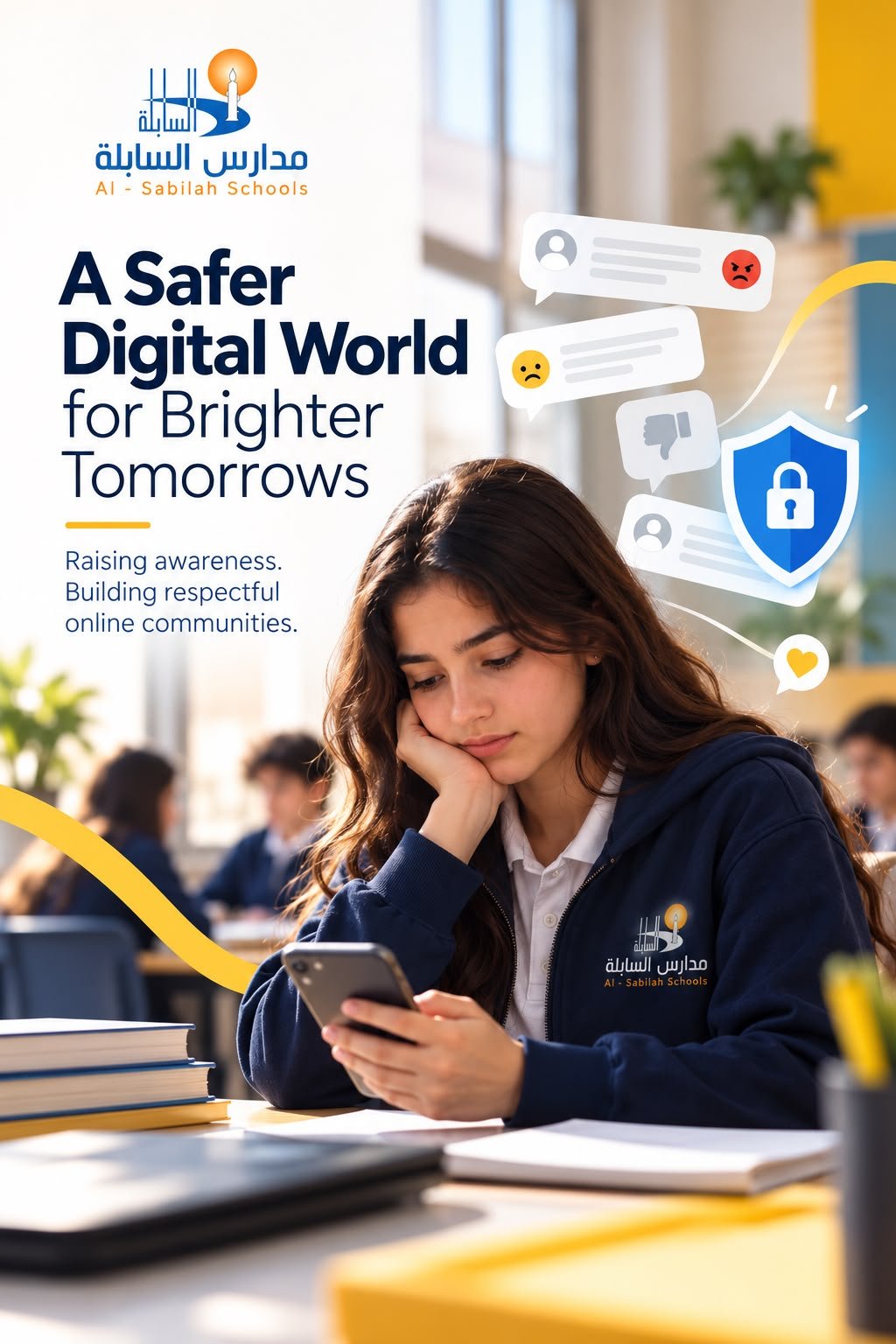
Cyberbullying can affect a student’s confidence, relationships, sense of safety, and ability to focus at school. Because online content can spread quickly and remain accessible, a hurtful message or image may follow a student beyond the classroom. Families and schools can help prevent this harm by teaching responsible digital behaviour, recognizing warning signs, and responding calmly and consistently when a student needs support.
What Is Cyberbullying?
Cyberbullying is the use of digital devices and online platforms to repeatedly intimidate, humiliate, threaten, or target another person. It may happen through social media posts, group chats, direct messages, gaming platforms, shared photographs, videos, or fake accounts.
Examples include spreading rumours about a classmate, posting an embarrassing image without permission, sending repeated insulting messages, deliberately excluding a student from online groups to hurt them, impersonating someone through a fake profile, or encouraging others to mock a person in comments. Sharing or forwarding harmful content can also increase the damage, even when the person sharing it did not create it.
Not every disagreement or unkind comment is necessarily bullying. Context matters, including whether the behaviour is repeated, intended to cause harm, involves a power imbalance, or continues after someone asks for it to stop. However, students should not have to wait for a situation to fit a particular label before asking a trusted adult for help.
Why Cyberbullying Can Be Difficult to Recognize
Traditional bullying may happen in a specific place or at a particular time. Cyberbullying can reach students at home, during evenings, or through several online spaces at once. A single post may be copied, shared, or screenshotted, making it difficult to control where it goes. Students may also worry that telling an adult will lead to losing access to their phone or being blamed for what happened.
Adults may not see the messages or online interactions directly. That is why open communication is essential. A student who feels safe speaking honestly with a parent, teacher, or school counsellor is more likely to seek help before the situation becomes more serious.
Warning Signs Parents and Teachers Should Notice
Every student reacts differently, and one sign alone does not prove that cyberbullying is happening. Still, sudden or persistent changes deserve a caring conversation. Possible warning signs include:
• Becoming unusually upset, anxious, angry, or withdrawn after using a phone or computer.
• Avoiding school, certain classmates, group activities, or online spaces they previously enjoyed.
• Changes in sleep, concentration, mood, or school performance.
• Suddenly hiding their screen, deleting accounts, or becoming unusually worried about notifications.
• Expressing shame, fear, loneliness, or concern about what others are saying about them.
• Losing interest in hobbies or friendships without an obvious explanation.
Approach these signs with curiosity rather than accusation. Instead of demanding to see every message immediately, try asking, “I’ve noticed you seem worried after checking your phone. Has anything happened online that you want to talk about?” A calm, non-judgmental question can make it easier for a student to share what is happening.
The Effects on Learning and Well-Being
Cyberbullying is not simply an online argument. Repeated humiliation or threats can make a student feel unsafe, isolated, or constantly on alert. Some students may find it difficult to concentrate in lessons because they are worrying about what has been posted or what might happen when they check their messages. Others may avoid classmates, stop participating in activities, or become reluctant to attend school.
The impact is not identical for every child. A student may appear fine in public while feeling distressed privately. Taking the experience seriously, listening without blame, and connecting the student with appropriate support can help protect their well-being and restore their confidence.
What Students Can Do If Cyberbullying Happens
Students should know that asking for help is a sign of good judgment, not weakness. If they are targeted online, these steps can help:
1. Do not retaliate.An angry response can escalate the situation or make it harder to resolve.
2. Save evidence safely. Keep screenshots, usernames, dates, messages, and links where possible. Do not edit the evidence or circulate humiliating material further.
3.Block or restrict the account. Use the safety settings available on the platform when it is appropriate to do so.
4. Report the content. Use the platform’s reporting tools and follow the school’s reporting process if other students are involved.
5. Tell a trusted adult. Speak with a parent, teacher, school counsellor, or another responsible adult who can help decide what to do next.
6. Protect personal information. Review privacy settings and avoid sharing passwords, private images, location details, or other sensitive information.
If a message contains a credible threat, exposes private information, or suggests immediate danger, the student should tell a trusted adult straight away. Serious threats or suspected criminal behaviour may require contacting the relevant authorities. Students should not try to investigate dangerous situations alone.
How Parents Can Help
Parents can make a significant difference by responding with reassurance and practical support. First, listen carefully and thank the child for telling you. Avoid blaming them for being online, asking why they did not stop it sooner, or immediately taking away their device as a punishment. Such reactions can unintentionally discourage future disclosure.
Next, work together to document what happened and decide which steps are safest. Report harmful content to the platform, block or restrict the account when appropriate, and contact the school if the situation involves classmates or affects the student’s school life. Keep communication open and check in over the following days rather than assuming the problem has ended once a post is removed.
Parents should also teach respectful online habits before a problem occurs. Discuss how messages can be misunderstood, why private content should not be shared without consent, and how to pause before posting when angry. Agree on age-appropriate boundaries for devices and social media, while making it clear that a child can ask for help without fear of automatic punishment.
The Role of Schools in Prevention
Schools can help build a culture in which students understand that respect applies both in person and online. Clear expectations should explain what cyberbullying looks like, how students can report it, and how staff will respond. Students need to know that reports will be taken seriously and handled as privately and fairly as possible.
Prevention can be reinforced through classroom discussions, digital citizenship activities, peer-support initiatives, and lessons about empathy, privacy, consent, and responsible communication. Teachers and school staff should be alert to changes in student behaviour, exclusion within peer groups, and conflicts that move between online spaces and the classroom.
When an incident is reported, the priority should be student safety and a careful assessment of what happened. Staff should speak privately with the students involved, document relevant information, communicate with families as appropriate, and follow the school’s safeguarding and behaviour procedures. Responses should stop the harmful behaviour, support the targeted student, and address the conduct of the student responsible without public shaming.
How Bystanders Can Make a Difference
Students who witness cyberbullying are not powerless. They can avoid liking, reposting, or forwarding harmful content; offer private support to the person targeted; report the content; and tell a trusted adult. They should not put themselves at risk by confronting someone aggressively or turning the incident into a larger public argument.
A supportive message such as “That wasn’t okay. Are you alright?” can help a classmate feel less alone. Small actions—refusing to join in, choosing respectful language, and speaking up safely—can help change the social environment that allows bullying to continue.
Building Safer Digital Habits Together
Preventing cyberbullying is a shared responsibility. Students need practical digital skills and confidence to seek help. Parents need open conversations and clear, consistent boundaries. Schools need reliable reporting pathways, supportive relationships, and a fair response to harmful behaviour. Online platforms also provide tools to block accounts, limit interactions, and report abusive content.
Most importantly, students should understand that their worth is not defined by a cruel comment, an embarrassing post, or someone else’s online behaviour. With early support and consistent cooperation between home and school, students can learn to use digital spaces more safely and treat others with dignity.
Supporting the Student After the Incident
Recovery is not always immediate. Adults should look for ongoing distress, social isolation, school avoidance, or a continued pattern of online contact. If these concerns persist, families should seek suitable professional support. Reassuring the student that they are not to blame for being targeted is an important part of rebuilding confidence.
Where appropriate, the school can help the student reconnect with supportive peers, identify a trusted staff member, or access counselling and other student-support services. Adults should avoid forcing a student to describe the incident publicly or arranging a face-to-face confrontation before assessing whether it is safe and useful. Any restorative conversation should be carefully planned, voluntary where appropriate, and focused on accountability and safety.
Stopping the online behaviour is essential, but emotional support may still be needed afterward. A student may continue to worry that screenshots have been saved or that classmates are discussing the incident. Parents and teachers can help by checking in privately, listening without minimizing the experience, and asking what would help the student feel safer at school and online.
Teaching Digital Empathy and Responsibility
Families and teachers can reinforce these lessons through realistic examples and regular conversations, not only after an incident occurs. Asking students what they would do if they saw a cruel comment or received a hurtful message helps them practise safe choices before they face pressure from peers.
A useful rule is to treat online communication with the same respect expected in a classroom. Students should not share passwords, private messages, or personal images without consent. They should also avoid creating anonymous accounts to target others or using group chats to organize humiliation. When a student makes a mistake, adults can guide them to take responsibility, stop the behaviour, and understand the impact rather than focusing only on punishment.
Digital citizenship is more than knowing how to use technology. It also means understanding that real people are affected by online words and actions. Students can practise digital empathy by pausing before sending a message, considering how a joke might feel to the person receiving it, and asking permission before posting photos or sharing conversations.
Responding to an Incident: A Practical Plan
The next steps may include reporting the account or content, blocking the sender, contacting the school if students are involved, and agreeing on a follow-up time to check whether the behaviour has stopped. If a first report does not resolve the problem, the student should be encouraged to tell another trusted adult or follow the school’s established reporting procedure. Keeping a brief record of actions taken can help families and school staff understand what has already been tried.
If there is no immediate danger, the student and a trusted adult can record what happened, including dates, usernames, platform names, and screenshots of relevant messages or posts. Evidence should be stored privately and shared only with people who need it to address the situation. Do not repost the material to prove a point, because doing so can spread the harm further.
When a cyberbullying incident is reported, a clear plan can prevent confusion. The first step is to check whether the student is safe and whether there are threats, blackmail, the sharing of intimate images, or personal details that could expose them to danger. Urgent risks require immediate adult attention and, where appropriate, contact with the relevant authorities.
Common Forms of Cyberbullying
Exclusion is another form that can be overlooked. A student may be deliberately removed from a group chat, repeatedly ignored in an online class group, or targeted through coordinated comments. Rumour-spreading can also move quickly from one platform to another. Even when harmful content is presented as a joke, its impact on the targeted student matters. Students should learn to consider whether a post humiliates someone, violates their privacy, or encourages others to join in.
Cyberbullying can take several forms, and recognizing them helps students and adults respond appropriately. Harassment may involve repeated insulting or threatening messages. Public humiliation can happen when someone posts an embarrassing photo, edits an image to ridicule a classmate, or shares private information without permission. Impersonation occurs when a person creates or uses an account to pretend to be someone else and damage that person’s reputation.